Britain's minister for artificial intelligence, Kanishka Narayan, set out the government's plans for AI adoption, jobs and contingency planning at Black Tech Fest in London on Thursday, according to the festival's organizers.
The seventh edition of the festival, known as BTF, drew more than 4,000 people from 30 countries to Tobacco Dock, and more than 130 speakers took part across three stages, including executives from Microsoft, Google DeepMind, OpenAI, Nvidia, Waymo, the BBC and HSBC Innovation Banking.
BTF is produced by Colorintech, a London nonprofit founded in 2016 by Dion McKenzie and Ashleigh Ainsley that works to widen access to technology careers and funding. London Mayor Sadiq Khan opened the event.
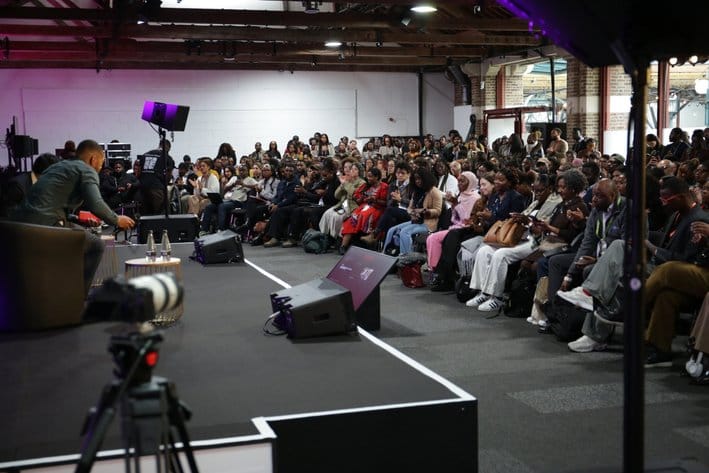
"Britain's AI future won't be decided by technology alone. It will be decided by who is in the room," Ainsley, Colorintech's co-founder, said in a statement after the event.
What the minister discussed
Narayan, who became Britain's first cabinet-level AI minister under Prime Minister Andy Burnham in July, spoke about building AI technology in Britain so the country can manage risk over time, organizers said.
He also pointed to the AI Economics Institute, which the Treasury and the science department launched earlier this year to track how AI affects productivity, jobs and growth. And he cited a drive to create 10,000 work experience placements in digital and technology roles for young people.
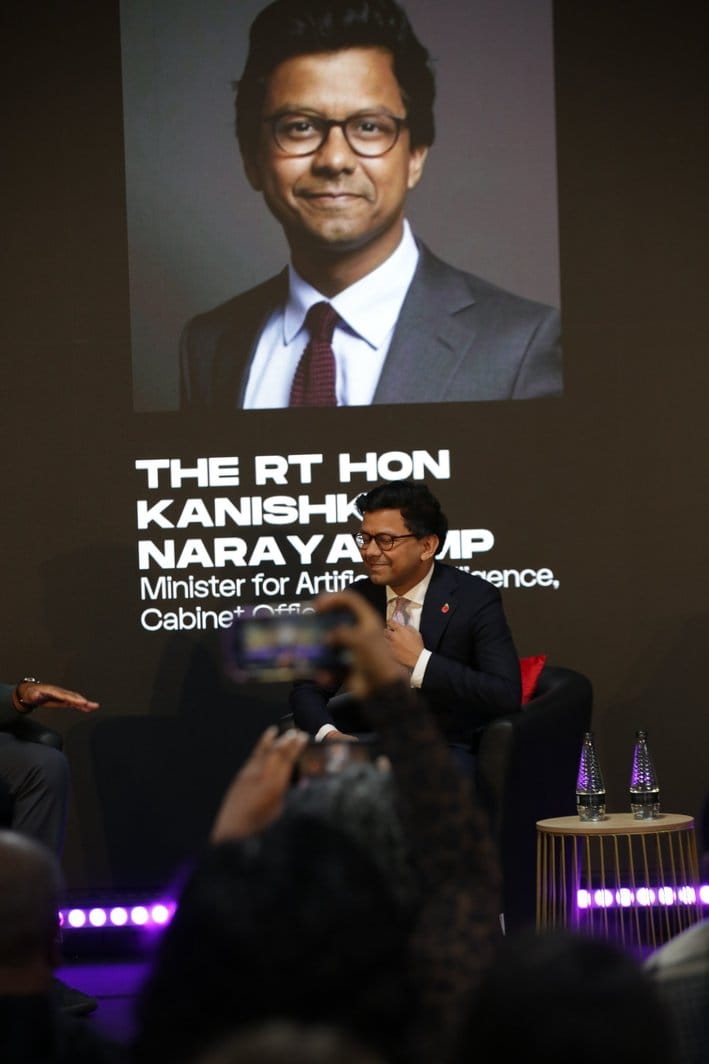
Neither initiative is new. The government announced the 10,000 placements on Oct. 21, as a three-year program backed by employers including Microsoft, Cisco, IBM and Arm.
Narayan also said the government is planning for the possibility that AI advances at significant speed and scale, organizers said. The release did not describe what that planning involves.
Panels on trust and risk
In a session on whether Britain is ready for AI, Kalbir Sohi, whom organizers described as the government's chief AI officer, joined Nathan Ashley of Waymo and Florian Döllner of Samsara. With Waymo preparing to launch fully autonomous passenger rides in London, the panel agreed that transparency builds trust, organizers said.
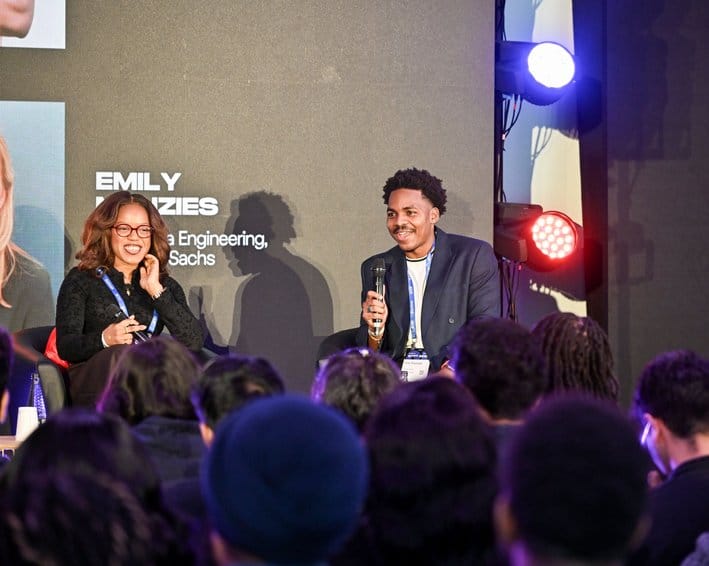
Pamela Maynard, Microsoft's corporate vice president for AI transformation, said companies should treat AI adoption as a starting point and measure results such as employee satisfaction, revenue growth and new opportunities.
A debate on AI's existential risks paired Roger Hallam, co-founder of Extinction Rebellion and Stop Oil, with Tom Stoneham, a professor at the University of York, Hameed Adigun of Black AI Futures, and journalist Estelle Uba. Panelists weighed long-term catastrophic risk against current harms, including the environmental cost of AI infrastructure and the concentration of power among a few developers, organizers said.
Jobs and recruiting
Workshops were run by Nvidia, OpenAI, Apple and ElevenLabs, and recruiters from Bloomberg, Goldman Sachs, Monzo, Tesco Technology, Samsara and the Government Cyber Profession attended.
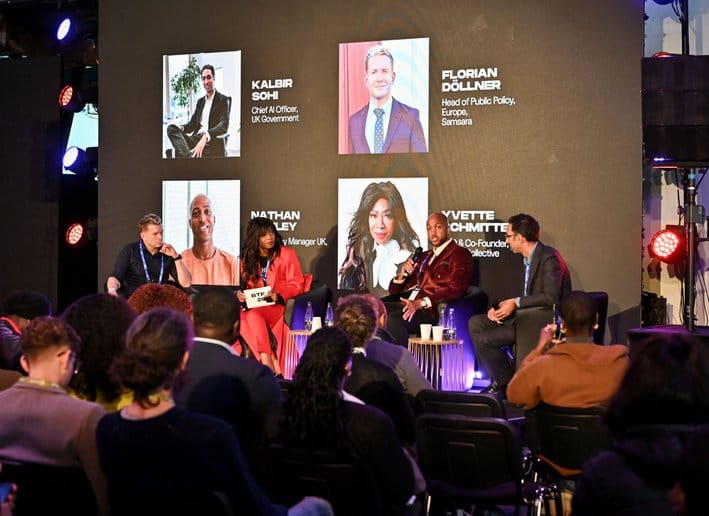
Khan said Black Londoners have made an "incredible contribution" to the city's tech sector and pointed to his Inclusive Talent Strategy, which he said aims to give Londoners of every background the skills to share in the sector's growth.
BTF launched in 2020. Organizers describe it as Europe's largest technology and culture festival.